
Selling Handwoven Sarongs in Your Boutique: Display, Styling, and Storytelling Tips
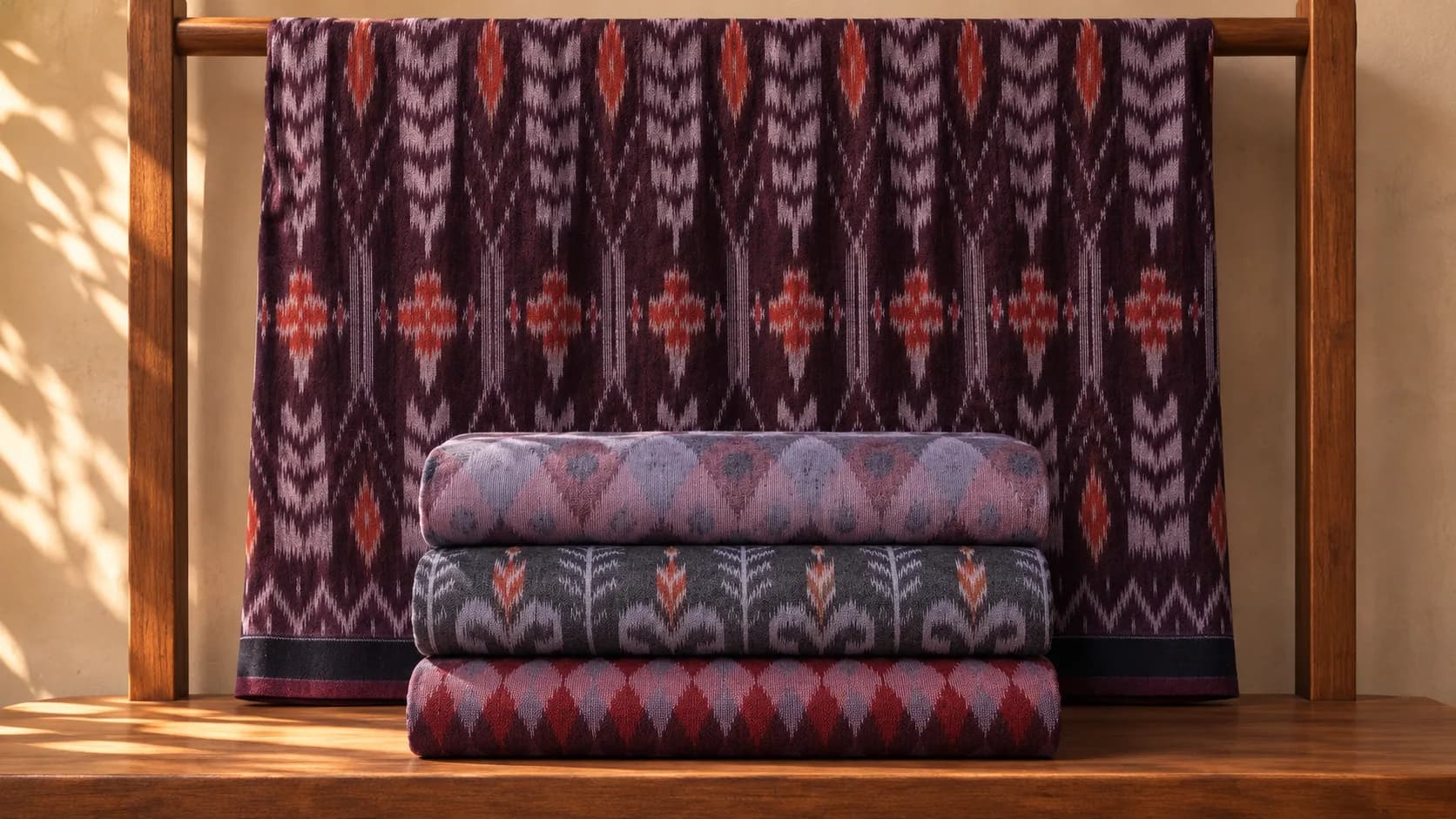
A handwoven sarong sells on its details: the texture of the weave, the contrast between the kepala and the badan, and the story of how it was made. Folded flat in a tall stack, it hides all three.
These tips are for boutiques selling handwoven sarongs, in store and online: how to display them, how to show them worn, and how to tell their story. The product examples come from Heritage Loom's Juara Harar and Botol Alons collections.
Display: let customers see the weave
- Fold with the kepala at the front. The kepala is the most distinctive part of the design, so fold each sarong with the kepala facing out, as our guide to sarong anatomy suggests.
- Keep stacks low. A short stack per design stays neat when customers lift the top piece. Keep the rest of the stock in the back room.
- Open one piece of each design. Hang it on a rail or drape it over a table, so customers can see the whole pattern and the full 120 × 125 cm cloth.
- Group by color, then by collection. Blocks of color catch the eye from the door. Within each block, keep designs from the same collection together so their story stays clear.
- Leave a piece to touch. Handwoven cloth is easier to sell when customers can feel it, so keep one piece per design at hand height.
- Mind the light. Soft, indirect light shows the texture. Keep displays out of direct sun, and rotate display pieces regularly so the folds don't fade.
Styling: show how a sarong is worn
Many customers like a sarong but aren't sure how to wear it. Seeing one worn removes that doubt.
- Dress one mannequin. Show a sarong tied and worn, and change the design every week or two so regular customers see something new.
- Show the uses your customers know. In Malaysia and Brunei, sarongs are part of everyday wear and prayer, as our guide for shops in Malaysia and Brunei explains. In other markets, customers may also use a sarong as a wrap or a light throw.
- Pair it with what you already sell. Place sarongs next to shirts, headwear or gift items that suit them, so customers can picture a complete outfit or gift.
- Add a "how to wear" card. A small card with simple tying steps, or a QR code to a short video, helps customers who shop on their own.
Storytelling: explain what makes it handwoven
- Write a short product card. Give the design and collection name, the technique, the material and the size. For example: "Mahogany Noir, Juara Harar collection. Handwoven on an ATBM (non-machine) loom. Cotton, 120 × 125 cm."
- Explain the small variations. Tell customers that small differences between pieces come from weaving by hand. Our guide to handwoven vs. machine-made sarongs explains how to tell the two apart, which helps when customers compare prices.
- Show how it is made. Process photos or a short weaving video near the display help customers understand the value. Ask your supplier which photos and videos you may use. For ikat designs, our introduction to Jepara ikat sarongs explains how the pattern is dyed into the yarn before weaving.
- Give your team three talking points. For example: it is handwoven, each piece varies slightly, and here is how to care for it.
- Include care advice. A care card answers the most common question after a sale. You can adapt the one in our guide on how to wash a sarong, which also covers keeping stock in good condition.
Selling handwoven sarongs online
The same ideas work in an online shop:
- Use three photos per design: the full cloth laid flat, a close-up of the weave and the kepala, and one photo of the sarong worn.
- Keep the background and light the same for every design, so colors can be compared fairly.
- Repeat the product card in the listing: design and collection name, technique, material, size and care.
Our guide to wholesale sarongs for resellers adds tips on photos and on working out your price per piece.
Learn what sells, and restock in time
- Track sales by design name. Note which designs and colors sell first. Those are the ones to reorder.
- Refresh the display when new stock arrives. Put new colors at the front and best-sellers at eye level.
- Reorder before you run out. At Heritage Loom, our current designs are made to order: pre-orders start from 1 kodi (20 pieces), designs can be mixed within a kodi, and the production time is confirmed for each order. Order well before your busiest season; our guide to bulk sarong orders explains what affects lead times.
- Consider your own label. If a design sells well, our guide to private label sarongs explains how to launch a line under your own name.
Stock your boutique with Heritage Loom
Browse the Juara Harar and Botol Alons collections in our catalog, then send your design list and quantities through the cart or our Contact page. Your message opens in WhatsApp so you can send it to our team.
More Stories

B2B Handwoven Textile Supplier: Getting to Know Jepara Ikat Sarongs for Wholesale and Export
A guide for business buyers looking for a B2B handwoven textile supplier: what Jepara ikat sarongs from Troso village are, why they work for wholesale and export, and the order options from Ready Stock to Pre-Order and custom. At Heritage Loom, pre-orders start from 1 kodi (20 pieces) with designs mixed freely, a 50% deposit and wholesale discounts by the kodi. The guide also lists what to confirm before ordering and how export shipping works.
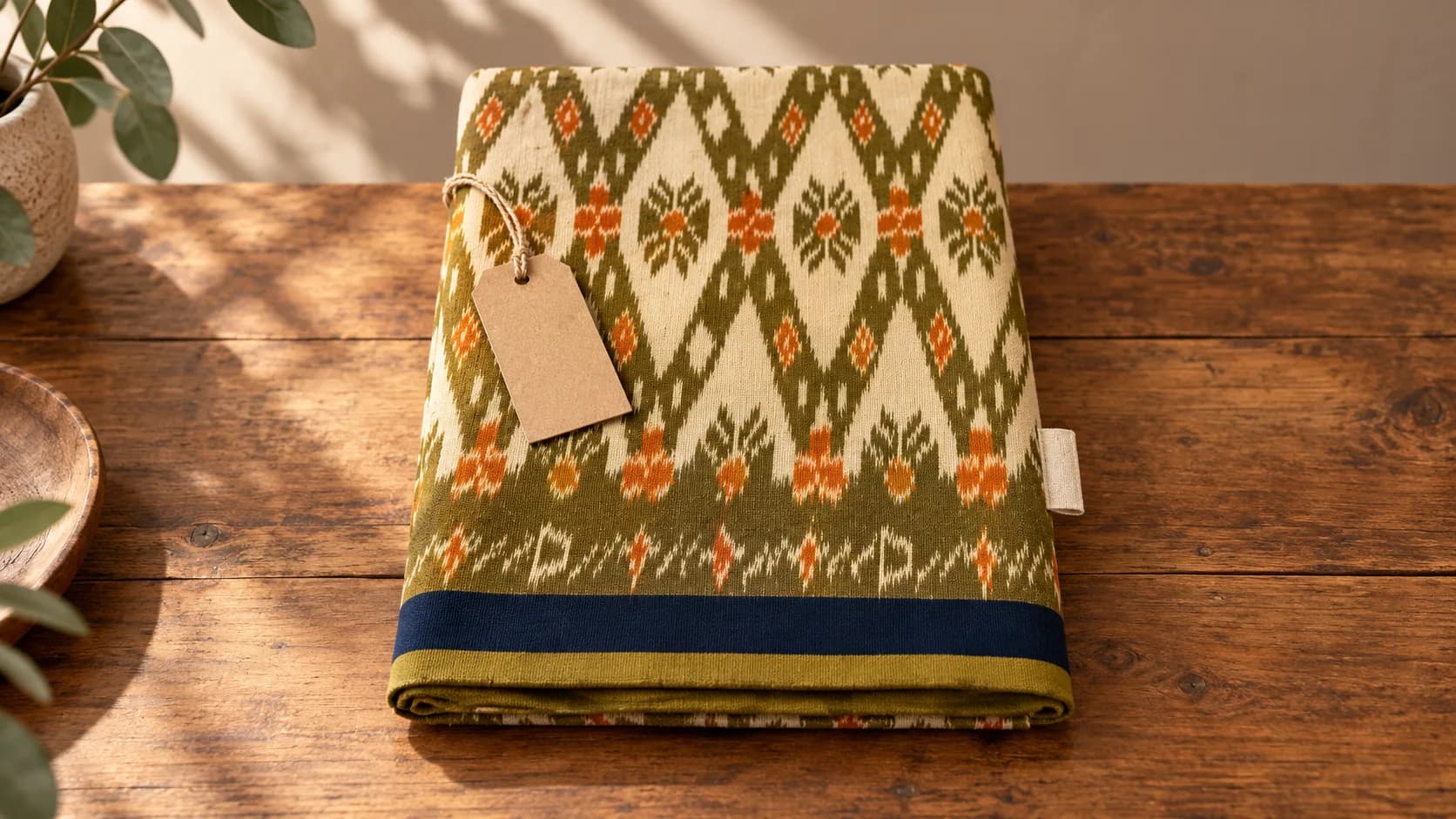
Private Label Sarongs: How to Launch Your Own Sarong Line with an Indonesian Manufacturer
Private label sarongs let a boutique, distributor or brand sell handwoven sarongs under its own name. This guide explains how ready designs, custom designs and private label differ, when it makes sense to start, and five steps to launch your own line: defining the designs, briefing labels and packaging, approving a sample, planning quantities and timing, and reordering. At Heritage Loom, custom designs start from 1 kodi (20 pieces) per design, with the option of your own logo, labels and packaging.

How to Wash and Care for a Handwoven Sarong: A Guide Retailers Can Share with Customers
Handwoven cotton sarongs last for years with simple care. This guide explains how to wash a sarong, from the first wash to drying, ironing and storage, and how to treat spots without fading the colors or straining the weave. It also covers how retailers can keep stock in good condition, and ends with a short care card to share with customers.