
Why Do Handwoven ATBM Sarongs Cost More? A Guide for Wholesale Buyers and Retailers
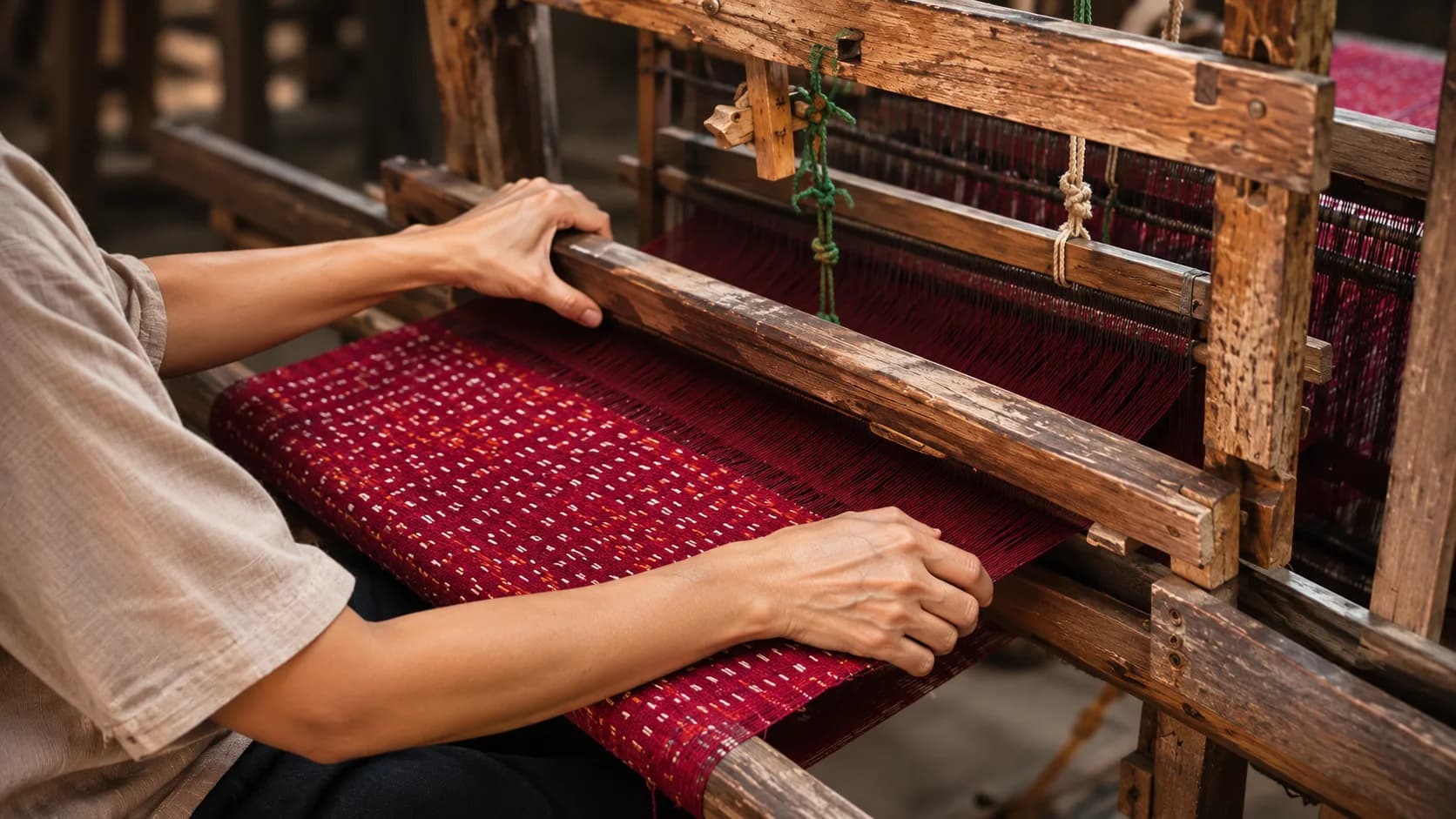
When buyers compare quotes, many are surprised by the gap between a handwoven ATBM sarong and a machine-made sarong that looks similar at first glance. The gap is not about the brand. It comes from how each piece is made: by a weaver's hands and feet, one row at a time.
This guide explains what an ATBM sarong is, where its price comes from, what buyers get for that price, and how to get a better price per piece. The examples use Heritage Loom's current prices and terms.
What an ATBM sarong is
ATBM stands for alat tenun bukan mesin, Indonesian for a non-machine loom. The weaver works it with hands and feet: the treadles lift the warp threads, the shuttle carries the weft across, and the weaver pulls the beater to press each row into place. The ATBM was developed from a loom model introduced by the TIB, a textile institute in Bandung that brought in more modern looms in 1912 (Good News From Indonesia).
Machine-made sarongs come from powered looms (ATM, alat tenun mesin) that work much faster. Our guide to handwoven vs. machine-made sarongs shows how to tell the two apart when you check samples.
Where the price of an ATBM sarong comes from
- The weaver's time. Every row of weft is passed and pressed into place by the weaver, so each weaver can finish only a limited number of sarongs a day. The labor cost is spread over far fewer pieces than on a machine.
- Preparation before weaving. Before the first piece is woven, the warp has to be wound and each thread drawn through the heddles and the reed. Multicolor and ikat designs take longer to prepare, because the yarn is arranged or dyed to the pattern first.
- The artisan's skill. Keeping the weave even and the motif neat from end to end takes experienced hands, and that kind of skill cannot be rushed.
- The yarn. The fiber affects the price. Good cotton, for example, is priced differently from polyester, and the yarn composition should be stated on the quote.
- Quality checks. Because sarongs are made step by step in small quantities, checking their quality takes time too. At Heritage Loom, every collection goes through a quality control process.
Other factors, such as order size, customization and packaging, are covered in our guide to bulk sarong orders.
What buyers get for the price
- Handwoven character. Small differences between pieces make each sarong feel unique, and your customers can see and feel the weave.
- A story to sell. The origin, the process and the artisans behind an ATBM sarong are things you can tell your customers. Our guide to selling handwoven sarongs in your boutique has tips.
- A different segment. Position ATBM sarongs as premium wear and gifts rather than as price competitors to machine-made sarongs. Our guide to handwoven sarongs as corporate gifts shows one example.
How to get a better price per piece
- Order by the kodi and mix designs. At Heritage Loom, Pre-Order starts from 1 kodi (20 pieces), and designs can be mixed within each kodi, even across collections.
- Use the volume discount. The discount grows with the number of kodi in one order, from 7% on 1–5 kodi up to 25% on 41–50 kodi, as shown on our Offers page.
- Choose catalog designs for a first order. Custom designs need their own preparation and are ordered at 1 kodi per design. In the Heritage Loom catalog, Heritage Custom is priced higher than the collection designs.
- Plan ahead. Asking for goods faster than the standard schedule affects the quote, so allow time for samples and production. At Heritage Loom, the production time is confirmed for each order.
- Work out your landed cost. Compare prices per piece after shipping and other costs, as explained in our guide to wholesale sarongs for resellers.
ATBM sarong prices at Heritage Loom
The Heritage Loom catalog features handwoven sarongs sold on Pre-Order, and designs such as Royal Amethyst and Ikat Troso are woven on ATBM looms. Prices per piece in the catalog at the time of writing:
| Collection | Designs | Price per piece |
|---|---|---|
| Juara Harar | Mahogany Noir, Sapphire Mist, Royal Amethyst, Crimson Heritage | US$27 |
| Botol Alons | Emerald Pusaka, Golden Sagara, Aruna Slate, Azure Legacy, Ikat Troso | US$23 |
| Custom | Heritage Custom | US$34 |
Prices may change, so check the catalog for current prices. Samples are available on request, with the sample shipping cost split 50/50 between the customer and Heritage Loom. Pre-Orders require a 50% deposit, with the balance due when the order is ready to ship, as set out in our Terms of Use.
Send the designs, quantities and target date through our Contact page. Your message opens in WhatsApp so you can send it to our team, who can also guide you on product selection, MOQ, pricing and export procedures.
More Stories
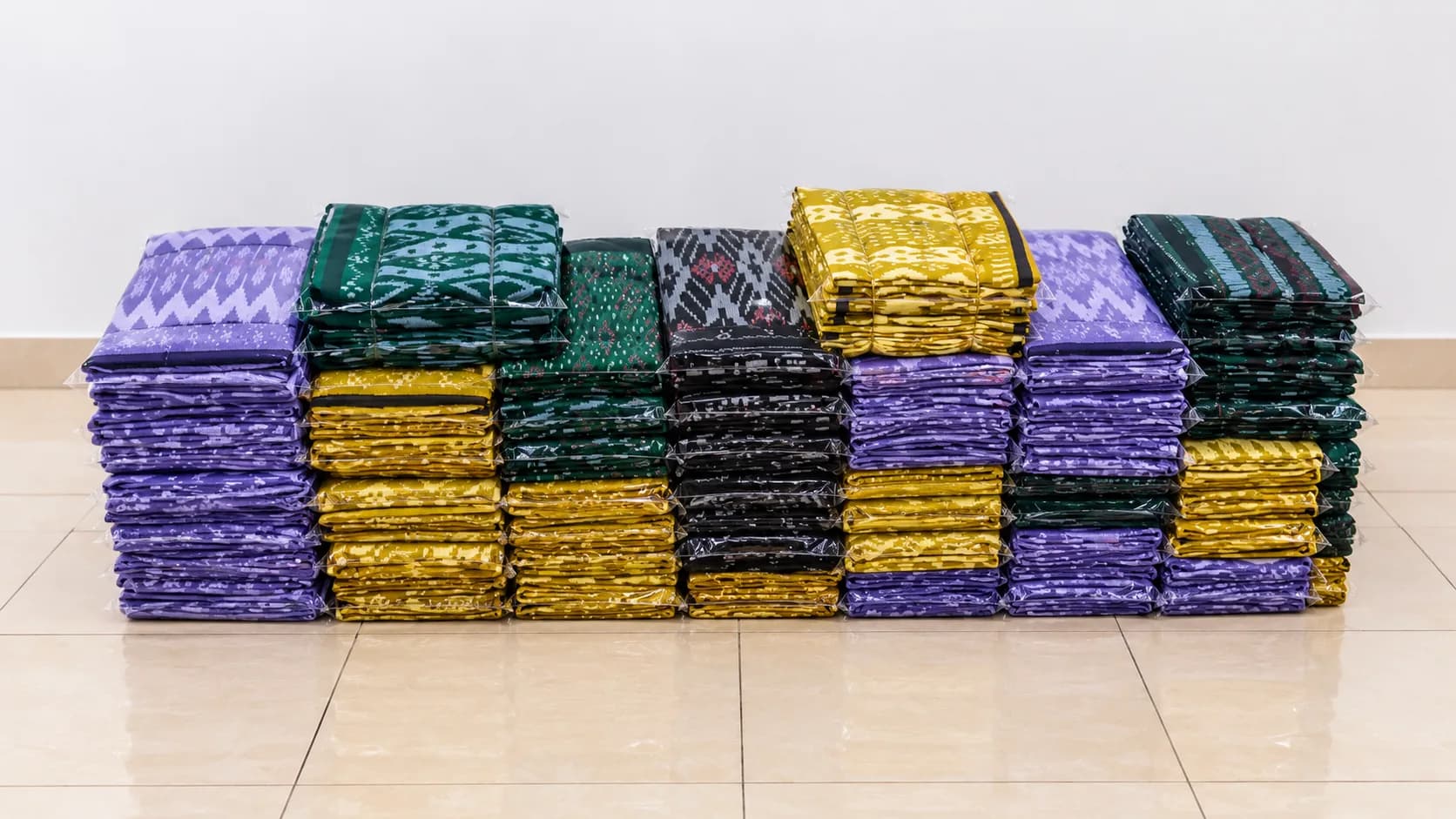
Ordering Handwoven Sarongs for Ramadan and Hari Raya 2027: A Timeline for Retailers and Importers
Ramadan 2027 is expected to begin on 8 February, with Hari Raya around 10 March, and sarong demand rises in the weeks before. This guide gives retailers and importers the key dates for Indonesia, Malaysia, Singapore and the UAE, a month-by-month timeline for ordering handwoven sarongs, what to stock, and how to place a Ramadan order with Heritage Loom.
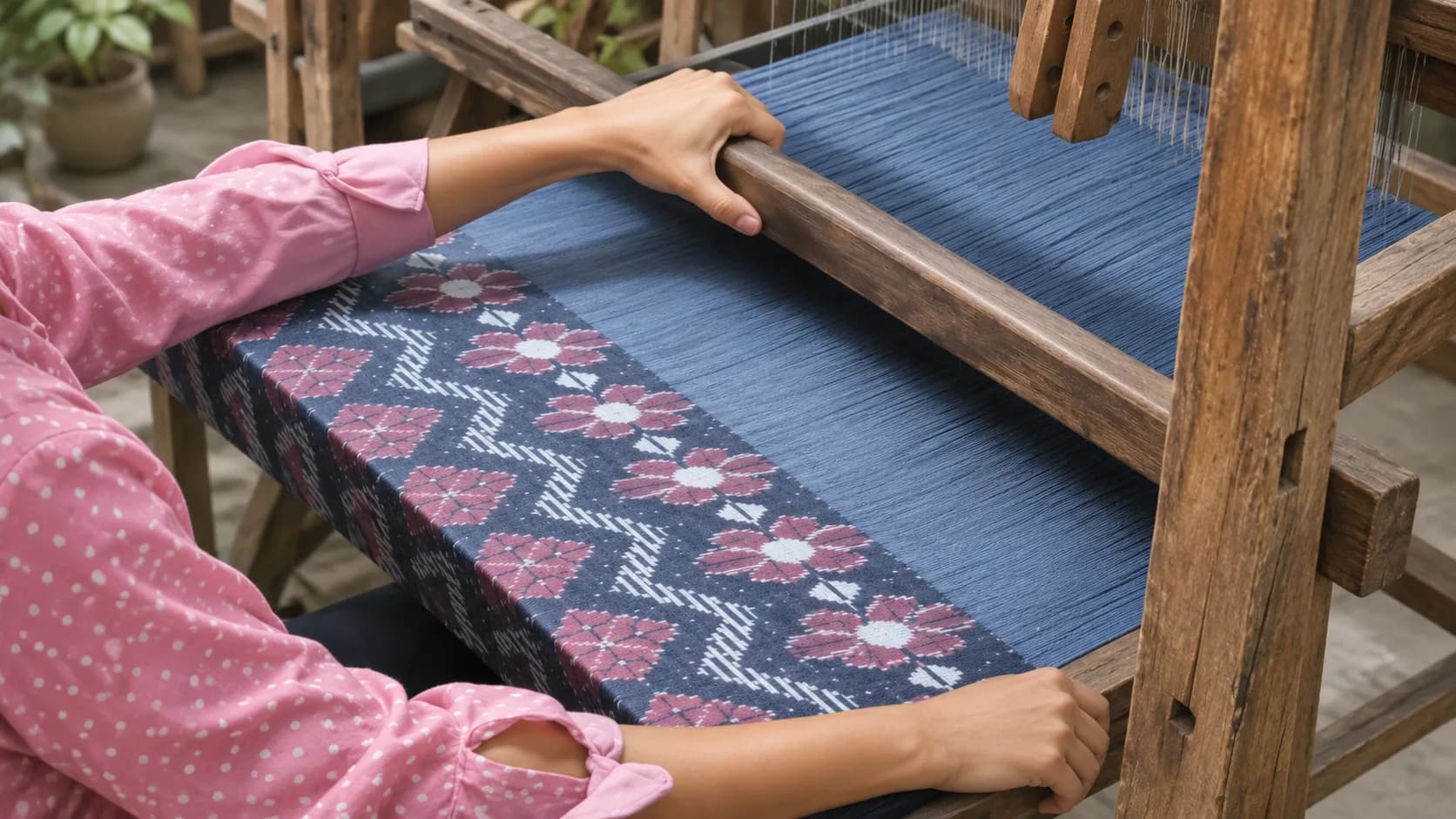
Ikat and Kasuri: A Guide for Japanese Buyers Sourcing Indonesian Ikat Sarongs
A guide for buyers in Japan sourcing ikat sarongs from Indonesia: how kasuri terms map to Indonesian ikat (warp, weft and double ikat), where Indonesian ikat comes from, from Troso in Jepara to Tenganan in Bali, what to agree with a supplier, and what to check on labels and tariffs when importing into Japan, with Heritage Loom's Ikat Troso as an example.
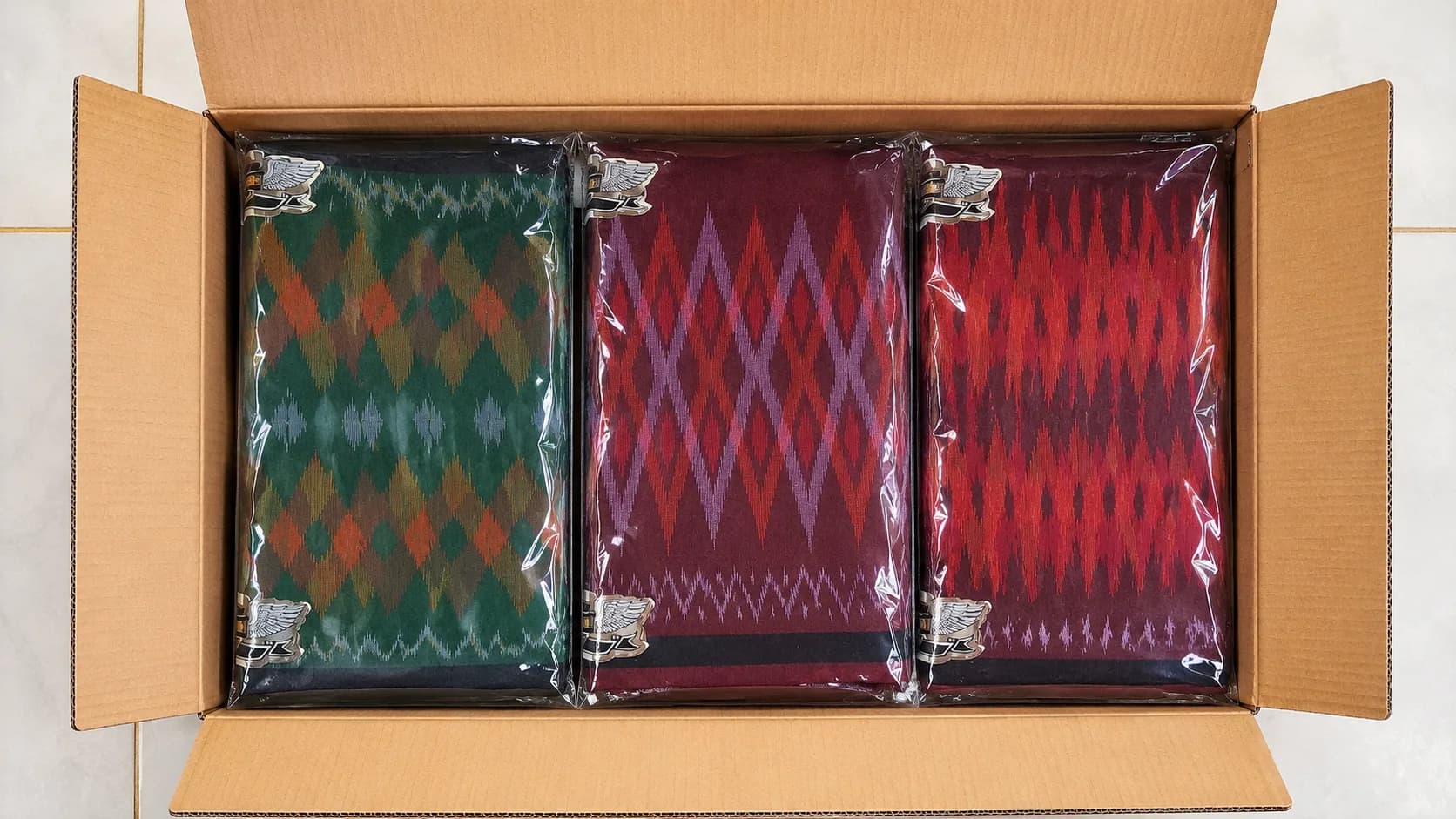
Indonesian Sarongs in the Middle East and East Africa: A Guide for Importers
A guide for importers in the Middle East and East Africa: what the sarong is called in each market, from ma'awaz and futah in Yemen to wizar in Oman and macawiis in Somalia, what buyers there look for, where handwoven Indonesian sarongs fit, how to plan around Ramadan and Eid 2027, and what to settle before ordering from Indonesia, with Heritage Loom's terms as examples.