
Indonesian Sarongs in the Middle East and East Africa: A Guide for Importers
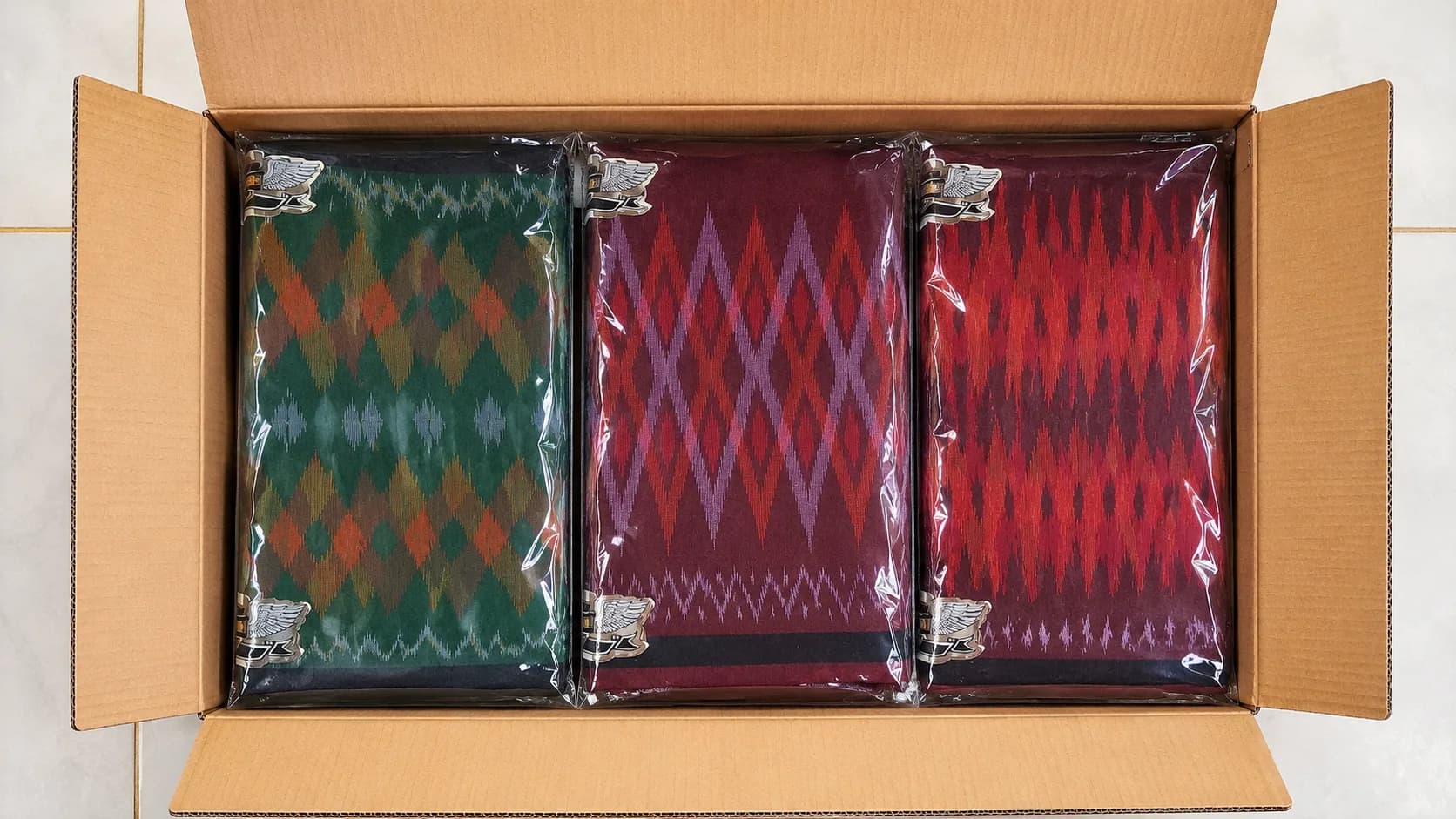
From Aden to Mogadishu, the sarong is everyday menswear under other names: ma'awaz or futah in Yemen, wizar in Oman, macawiis in Somalia and kikoy on the Swahili coast. For importers in these markets, Indonesia is a natural place to source, because the sarong is part of daily life there too and handweaving it is a long-standing craft.
This guide covers what the garment is called in each market, what buyers there look for, where handwoven Indonesian sarongs fit, how to plan around Ramadan and Eid in 2027, and what to settle before you order from Indonesia.
One garment, many names
| Market | Local names | What to know |
|---|---|---|
| Yemen | Ma'awaz (plural ma'awiz), futah, izaar; saroon in Hadhramaut | A men's wrap, most popular in hot coastal provinces such as Hodeidah, Taiz, Aden and Hadhramaut |
| Oman | Wizar | Often white and usually worn under the dishdasha |
| Saudi Arabia | Izaar; futah in Jizan and Asir | Tribal groups in the southwest also have their own locally woven, unstitched style |
| Somalia and Djibouti | Macawiis | Colorful checks, plaids and geometric lines, usually sold pre-sewn into a loop |
| Kenya and Tanzania | Kikoy | Worn on the Swahili coast, traditionally by men |
In Yemen, the ma'awaz has long been handwoven locally: according to The National, weaving one piece by hand takes at least two craftsmen more than 15 hours. Closer to Indonesia, the same family includes the kain pelikat, the men's checked sarong worn in Malaysia and Brunei and covered in our guide for shops in Malaysia and Brunei, and the longyi of Myanmar, which is often sewn into a cylinder. Further east, Japan has its own resist-dyed cloth, kasuri, covered in our guide for Japanese buyers sourcing Indonesian ikat.
Use the local name in your listings and product descriptions, and describe the style it implies when you brief a supplier.
What buyers in these markets look for
- Patterns. Checks, plaids, stripes and bold geometric lines are familiar designs for the macawiis and the futah, while the Omani wizar is often plain white. Find out which patterns sell in your market before you choose designs.
- Sewn or open. The macawiis is usually sold pre-sewn into a loop, while some Saudi styles are left unstitched. Agree with your supplier whether your sarongs should be sewn into a tube or left open.
- Material. Cotton was the traditional fabric for the macawiis, which today also comes in polyester, nylon and silk. Ask for samples to judge the weight and handfeel for your climate.
- Size. A ma'awaz usually falls from the hips to the ankles. Confirm the length and width your customers expect, and compare them with the supplier's standard size before you order.
- Price segment. Handwoven sarongs belong at the premium end of the market, alongside locally woven ma'awaz. Position Indonesian ATBM sarongs as gifts and premium wear rather than competing with machine-made sarongs on price. Our guide to handwoven vs. machine-made sarongs shows how to tell the two apart. Why the handwoven pieces cost more is covered in our guide to handwoven sarong prices.
Plan around Ramadan and Eid 2027
Sarongs are worn for prayer, and in Indonesia sales peak in the weeks before Eid. In Cerme, Gresik, where ATBM sarongs are woven for buyers that include Saudi Arabia, Malaysia and Brunei, makers reported sales up to four times higher from Ramadan to Eid (Antara). If your market follows a similar pattern, plan your order around these dates.
Ramadan 2027 is expected to begin on 8 February 2027, with Eid al-Fitr on 9 or 10 March, according to projections by the UAE's Astronomy Centre reported by The National. The exact dates depend on the moon sighting.
Work backwards from the date you need stock on your shelves:
- Samples and approval. Allow time for samples to travel and for your buyers to approve them.
- Production. Handwoven production takes time. At Heritage Loom, the production time is confirmed for each order.
- Sea freight and customs. Ask your forwarder for current transit times to your port, especially on routes through the Red Sea and the Gulf of Aden, which have seen disruptions in recent years.
- Distribution. Add time to move the stock from the port to your shops or wholesale customers.
If you want handwoven stock for Ramadan 2027, start on samples and quotes now. Our month-by-month timeline for Ramadan and Hari Raya 2027 shows what to do and when.
What to settle before you order from Indonesia
- Samples. Order samples of the designs you plan to sell and show them to a few buyers. Our guide to requesting sarong samples and quotes lists what to include, and our guide to sarong quality standards explains what to check when they arrive, including labels for your market.
- Quantities. A small first order lets you test designs in a new market. At Heritage Loom, Pre-Order designs start from 1 kodi (20 pieces), and designs can be mixed within each kodi, even across collections. What drives MOQ and price is covered in our guide to bulk sarong orders.
- Designs for your market. If your customers expect particular colors, patterns or sizes, discuss a custom order; custom designs start from 1 kodi per design. To sell under your own brand, see our guide to private label sarongs.
- Payment and shipping. Agree the deposit, the Incoterm and who pays which costs in writing. Our guide to shipping sarongs from Indonesia explains export documents, packing and Incoterms.
Importing from Heritage Loom
Heritage Loom ships worldwide. Catalog designs such as Royal Amethyst are handwoven on ATBM looms (alat tenun bukan mesin, or non-machine looms) from cotton and measure 120 × 125 cm.
- Samples on request, with the sample shipping cost split 50/50 between the customer and Heritage Loom.
- Pre-Order from 1 kodi (20 pieces), with a 50% deposit and the balance due when the order is ready to ship, as set out in our Terms of Use.
- Custom designs, colors, sizes and private label for importers who want a range made for their market.
- Shipping costs are calculated when the order is confirmed, and import duties and taxes are paid by the customer, under our Shipping & Returns policy.
Browse the catalog, pick a few designs to sample, and send your market, quantities and target date through our Contact page. Your message opens in WhatsApp so you can send it to our team, who can also guide you on product selection, MOQ, pricing and export procedures.
More Stories
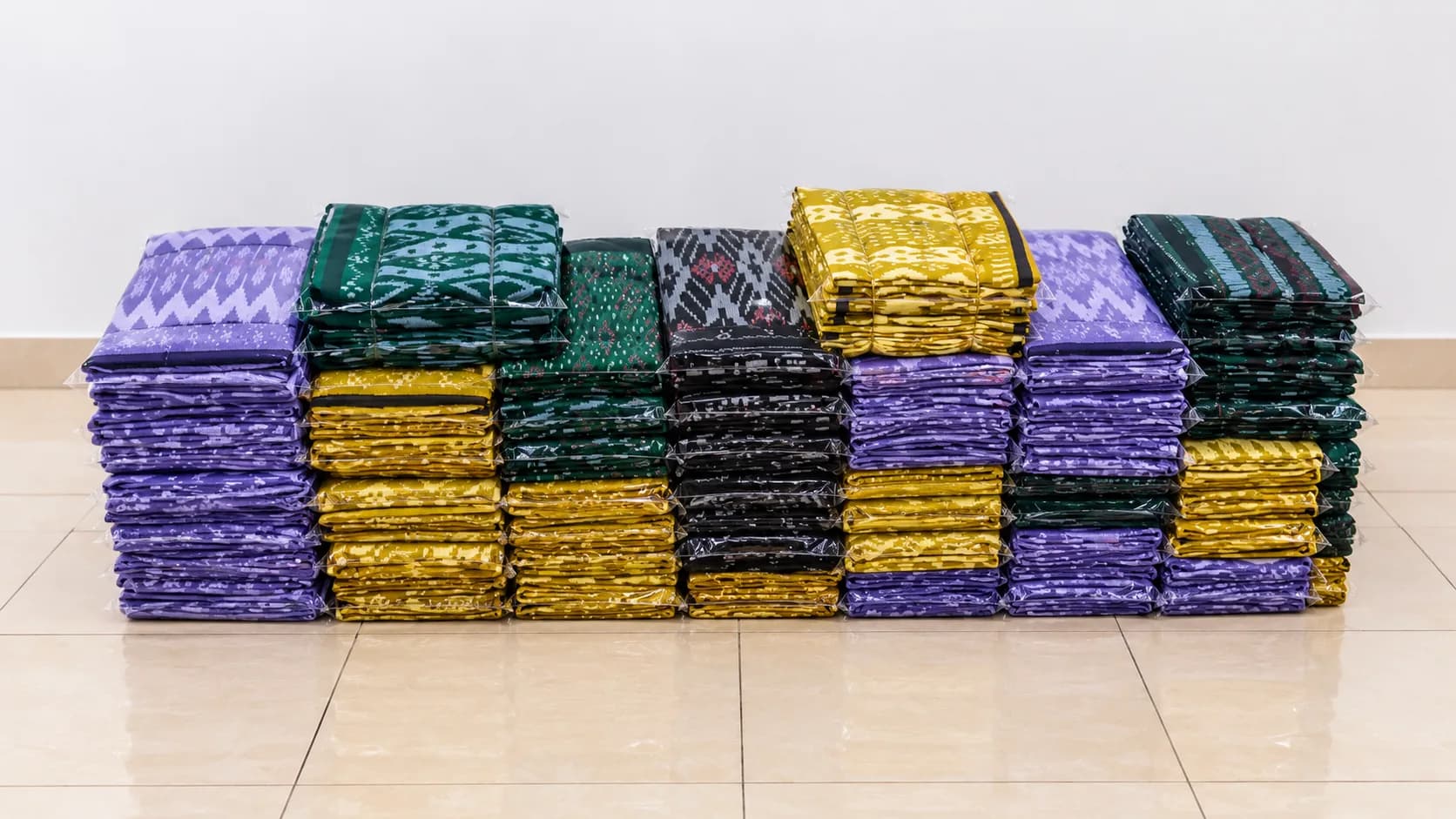
Ordering Handwoven Sarongs for Ramadan and Hari Raya 2027: A Timeline for Retailers and Importers
Ramadan 2027 is expected to begin on 8 February, with Hari Raya around 10 March, and sarong demand rises in the weeks before. This guide gives retailers and importers the key dates for Indonesia, Malaysia, Singapore and the UAE, a month-by-month timeline for ordering handwoven sarongs, what to stock, and how to place a Ramadan order with Heritage Loom.
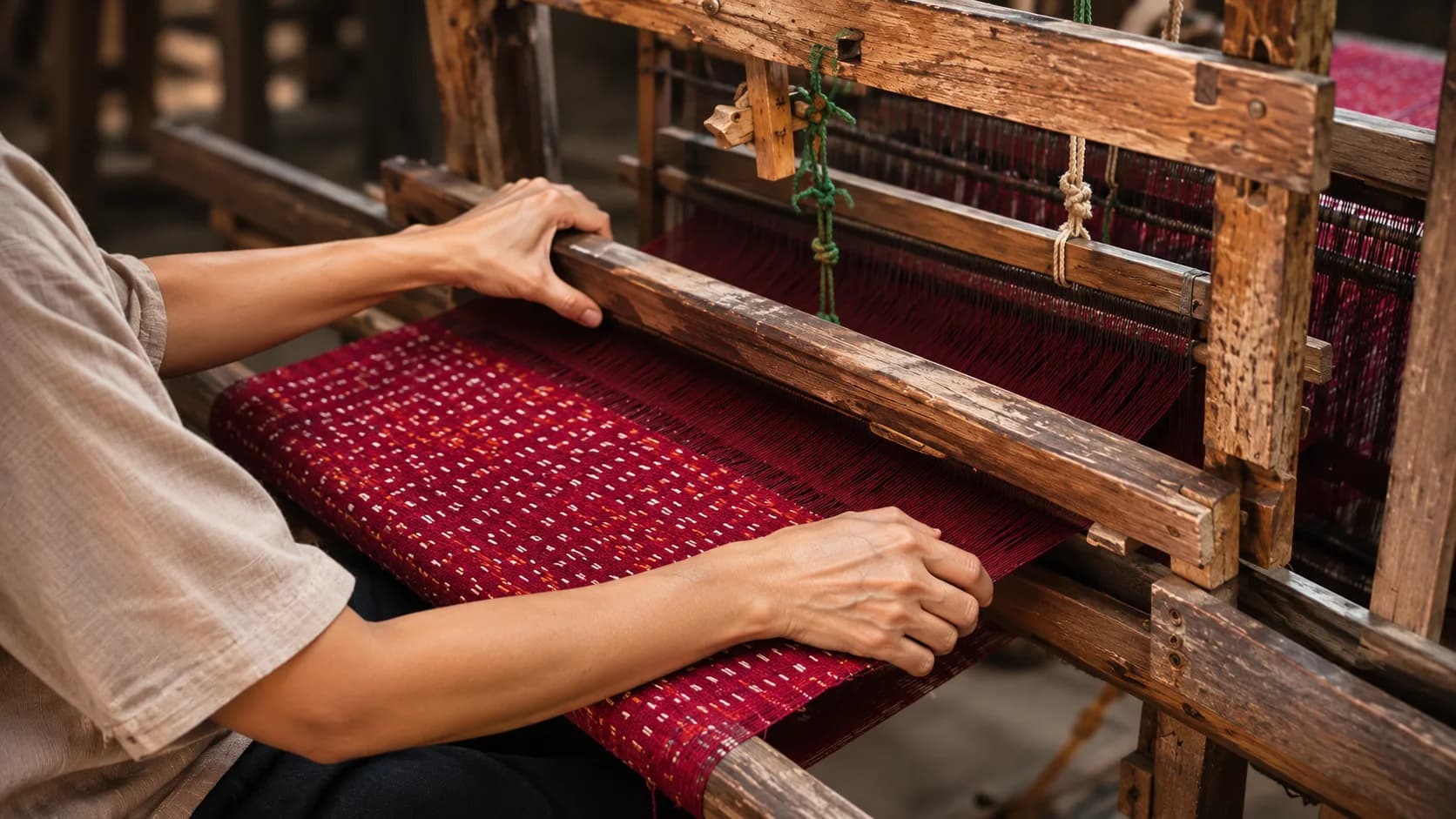
Why Do Handwoven ATBM Sarongs Cost More? A Guide for Wholesale Buyers and Retailers
Why handwoven ATBM sarongs cost more than machine-made ones: the weaver's time, the loom preparation, the artisan's skill, the yarn and the quality checks. Plus what buyers get for the price, how to get a better price per piece, and Heritage Loom's current prices.
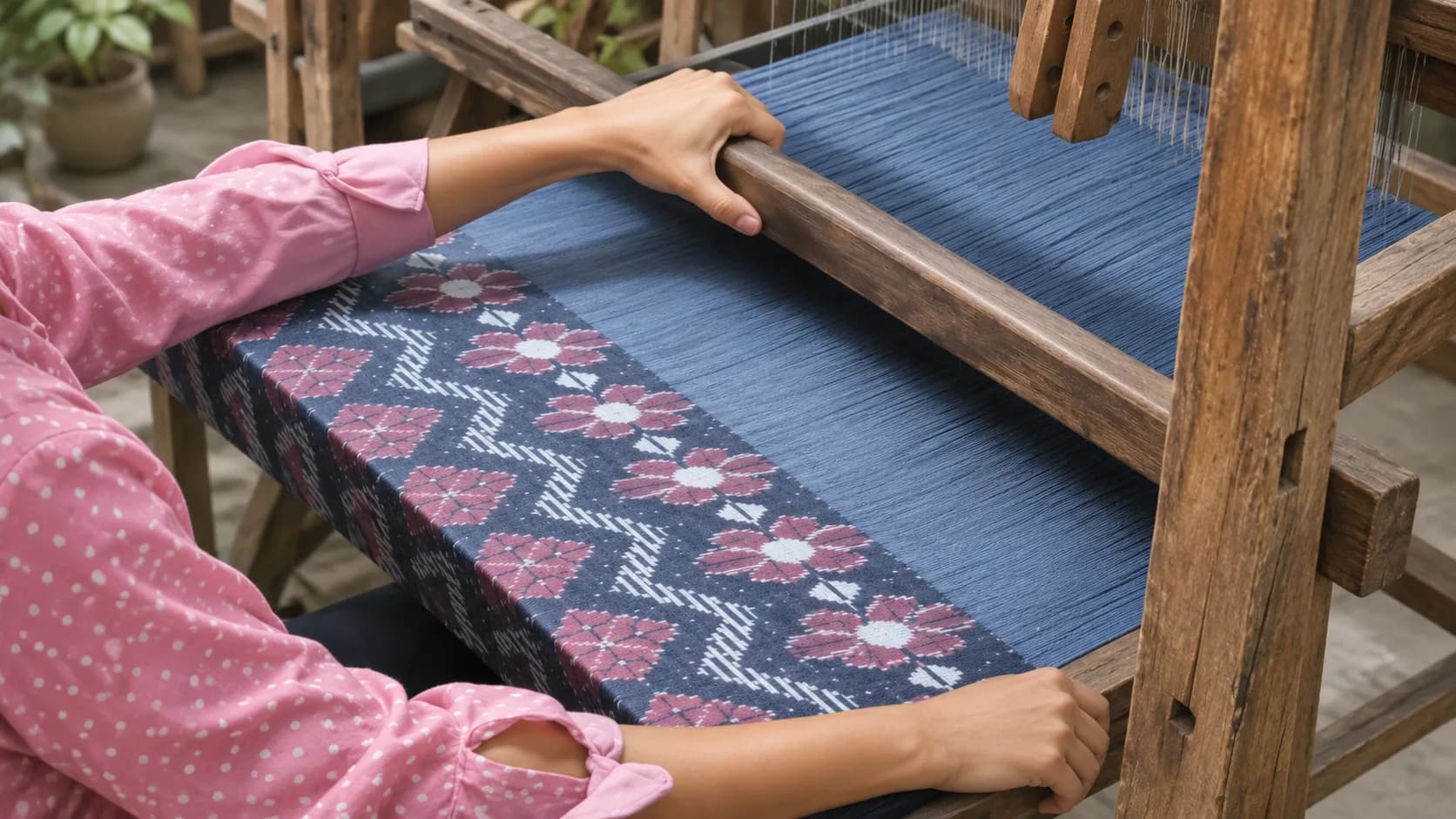
Ikat and Kasuri: A Guide for Japanese Buyers Sourcing Indonesian Ikat Sarongs
A guide for buyers in Japan sourcing ikat sarongs from Indonesia: how kasuri terms map to Indonesian ikat (warp, weft and double ikat), where Indonesian ikat comes from, from Troso in Jepara to Tenganan in Bali, what to agree with a supplier, and what to check on labels and tariffs when importing into Japan, with Heritage Loom's Ikat Troso as an example.