
Ikat and Kasuri: A Guide for Japanese Buyers Sourcing Indonesian Ikat Sarongs
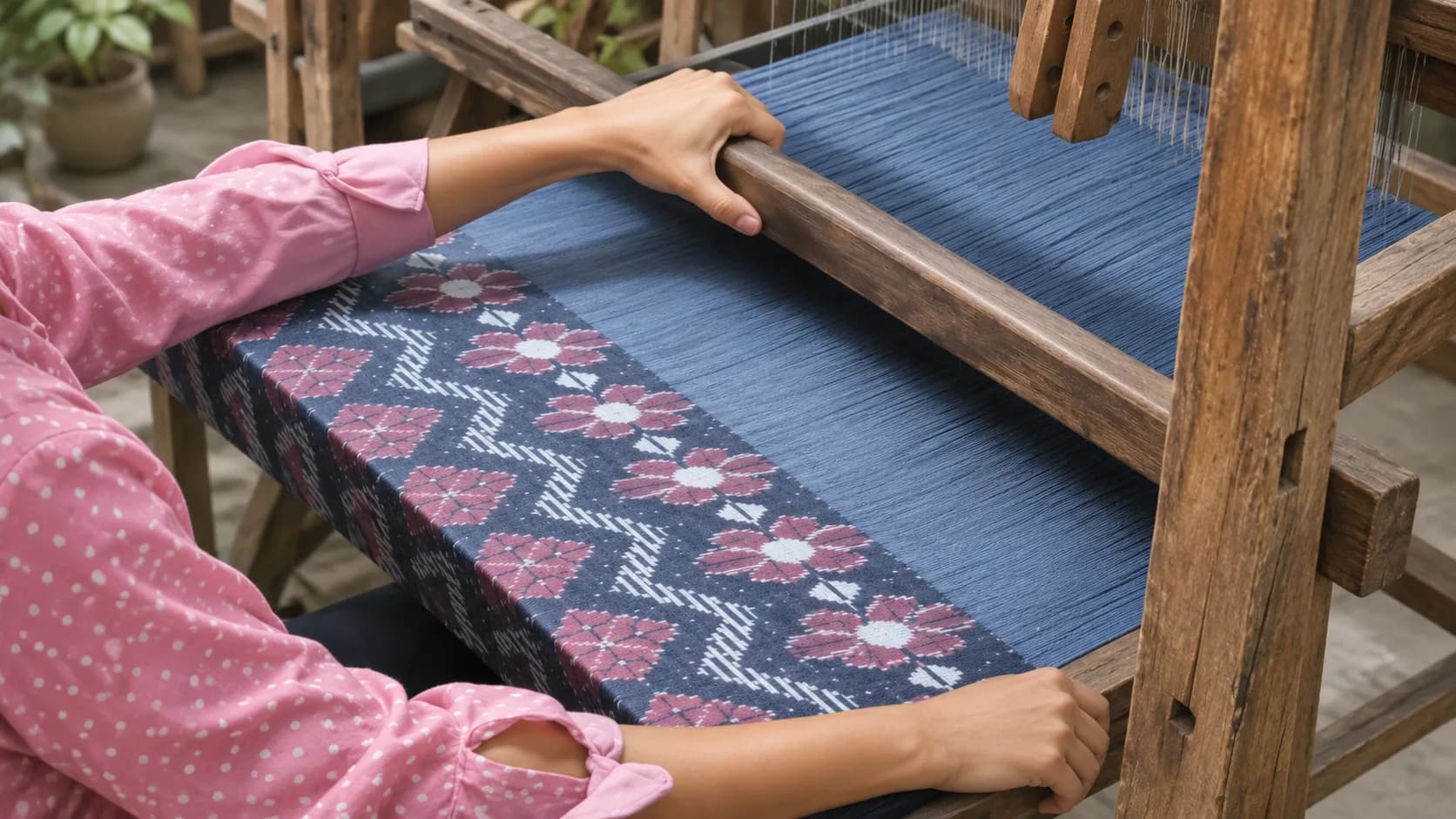
If you buy textiles in Japan, you already know the technique behind ikat. Kasuri (絣), Japan's own resist-dyed cloth, is made the same way: the threads are dyed in a pattern before they are woven. That shared technique gives Japanese buyers a head start when sourcing ikat sarongs from Indonesia, where ikat has been woven for generations.
This guide maps kasuri terms to their Indonesian equivalents, explains where Indonesian ikat comes from, lists what to agree with a supplier, and covers labels and tariffs when importing into Japan.
One technique, two traditions
Ikat takes its name from a Malay word meaning to bind or tie. Sections of yarn are tied according to the design and then dyed, so the tied parts resist the color. Once the ties are removed, the yarn is woven and the pattern appears in the cloth. Kasuri works on the same principle, and both typically have the softly blurred edges that come from dyeing the yarn before weaving. In Japan, the technique was practised in the Ryukyu Kingdom, today's Okinawa, and spread to the main islands from the 17th century (Wikipedia).
| Japanese term | Indonesian term | What is resist-dyed |
|---|---|---|
| Tate-gasuri (経絣) | Ikat lungsi (warp ikat) | The warp only; the pattern is visible on the loom before weaving starts |
| Yoko-gasuri (緯絣) | Ikat pakan (weft ikat) | The weft only; the pattern appears as the weaving proceeds |
| Tate-yoko-gasuri (経緯絣) | Ikat ganda (double ikat) | Both warp and weft; the most difficult and expensive type |
Double ikat is rare everywhere. In Indonesia it is made only in Tenganan Pegeringsingan, a village in Bali known for its geringsing cloth, and in Japan double kasuri is woven in Okinawa (Wikipedia).
Use these terms when you brief a supplier. Knowing whether a design is warp, weft or double ikat tells you a lot about the pattern, the price and the lead time to expect.
Where Indonesian ikat comes from
Ikat is woven across the Indonesian archipelago, from Sumatra in the west to Timor in the east, including islands such as Sumba and Flores. For sarongs, one of the best-known centers is Troso, a village in Pecangaan district, Jepara, Central Java, where ikat is woven on ATBM looms (alat tenun bukan mesin, or non-machine looms). Our buyer's guide to export-quality Jepara ikat and our guide to Jepara ikat sarongs for wholesale and export cover the region in detail.
A design name is not proof of technique or origin. Patterns that look like ikat can also be printed, or woven from yarns dyed in solid colors. Ask your supplier whether a design is resist-dyed before weaving, where it is woven and on what kind of loom. Our guide to handwoven vs. machine-made sarongs shows how to check.
What to agree with your supplier
- Technique and origin. Warp, weft or double ikat, the weaving region, and handloom or machine.
- Pattern definition. The soft edges of ikat are part of its character, just as with kasuri, but agree how much blur and how much variation between pieces is acceptable before production. Our guide to sarong quality standards explains how to set this out in a spec sheet.
- Color and dye. Classic kon-gasuri is indigo with white patterns, while Indonesian ikat comes in many palettes. Ask which dyes are used, and test the colorfastness of a sample.
- Size and format. Confirm the size and whether the sarong comes sewn into a tube or as a flat cloth, especially if your customers will cut and sew it into other products.
- Samples. Approve a sample of each design and keep one as the reference for the bulk order. Our guide to requesting sarong samples and quotes lists what to include in the request.
Importing into Japan
- Quality labels. Japan's Textile Goods Quality Labeling Regulation, issued under the Household Goods Quality Labeling Act, requires listed textile goods to show their fiber composition, care symbols under JIS L 0001, and the name and address or phone number of the business responsible for the label. Coverage is based on a list of products, so check whether and how it applies to your sarongs (Japanese Law Translation).
- Tariffs. Japan and Indonesia have an Economic Partnership Agreement, amended with effect from 1 August 2026 (Thomson Reuters), and both are members of RCEP. Whether your sarongs qualify for a preferential rate depends on their HS code and the rules of origin, so check with your customs broker and agree who will provide the proof of origin.
- Documents and shipping. Our guide to shipping sarongs from Indonesia explains export documents, packing and Incoterms.
Sourcing ikat sarongs from Heritage Loom
Our catalog includes Ikat Troso from the Botol Alons collection: an elegant black palette with authentic Indonesian woven patterns, handwoven on ATBM looms from quality cotton and measuring 120 × 125 cm. It is a Pre-Order design, ordered from 1 kodi (20 pieces), and it can be mixed freely with other pre-order designs. If you are looking for a specific ikat technique, ask us about the technique and origin of each design before you order.
- Samples on request, with the sample shipping cost split 50/50 between the customer and Heritage Loom.
- Custom designs, colors, sizes and private label for buyers who want a range made for the Japanese market; custom orders start from 1 kodi per design.
- Worldwide shipping, with import duties and taxes paid by the customer, under our Shipping & Returns policy.
Send the designs you are interested in, your quantities and your target date through our Contact page. Your message opens in WhatsApp so you can send it to our team, who can also guide you on product selection, MOQ, pricing and export procedures.
More Stories
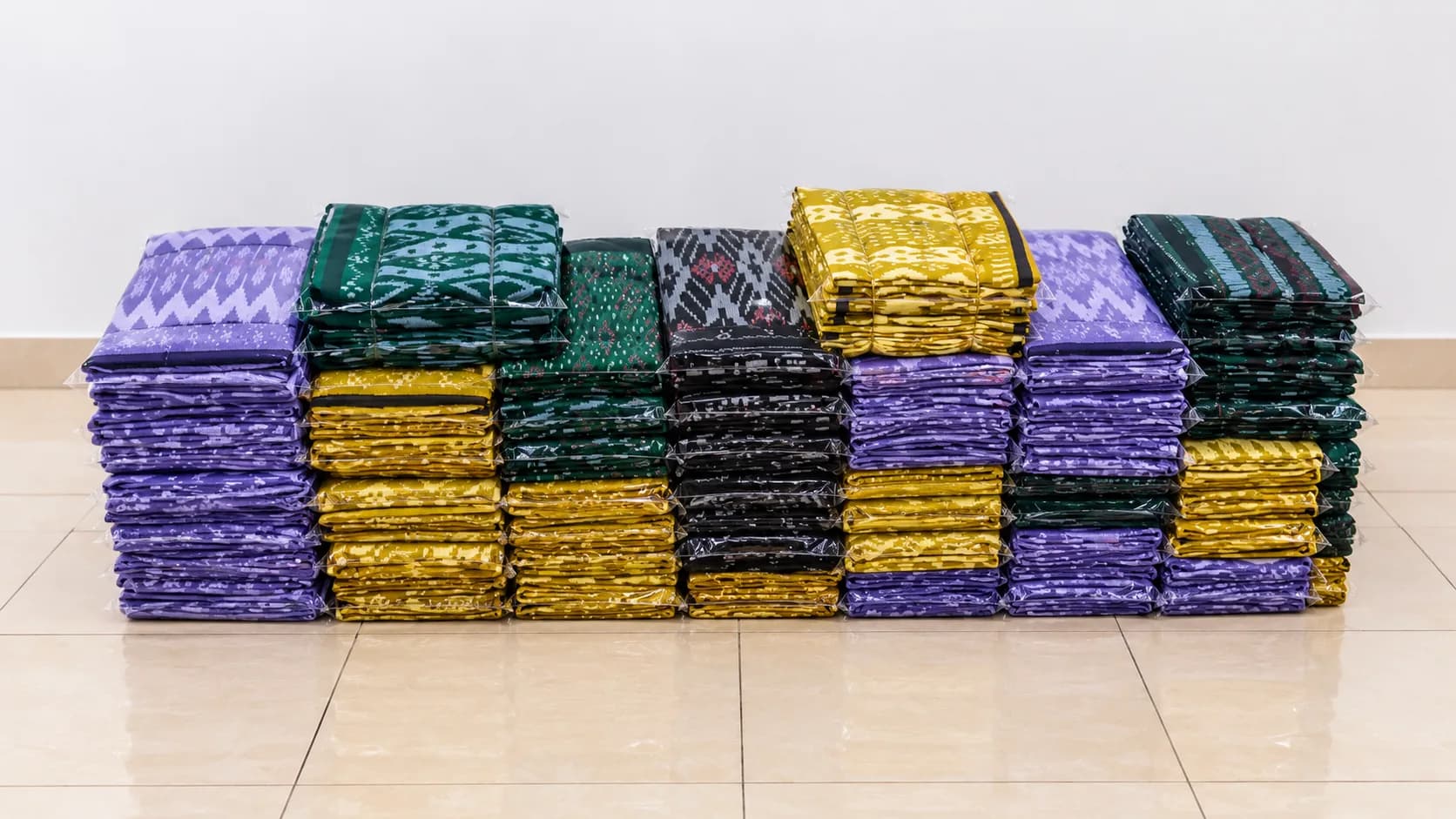
Ordering Handwoven Sarongs for Ramadan and Hari Raya 2027: A Timeline for Retailers and Importers
Ramadan 2027 is expected to begin on 8 February, with Hari Raya around 10 March, and sarong demand rises in the weeks before. This guide gives retailers and importers the key dates for Indonesia, Malaysia, Singapore and the UAE, a month-by-month timeline for ordering handwoven sarongs, what to stock, and how to place a Ramadan order with Heritage Loom.
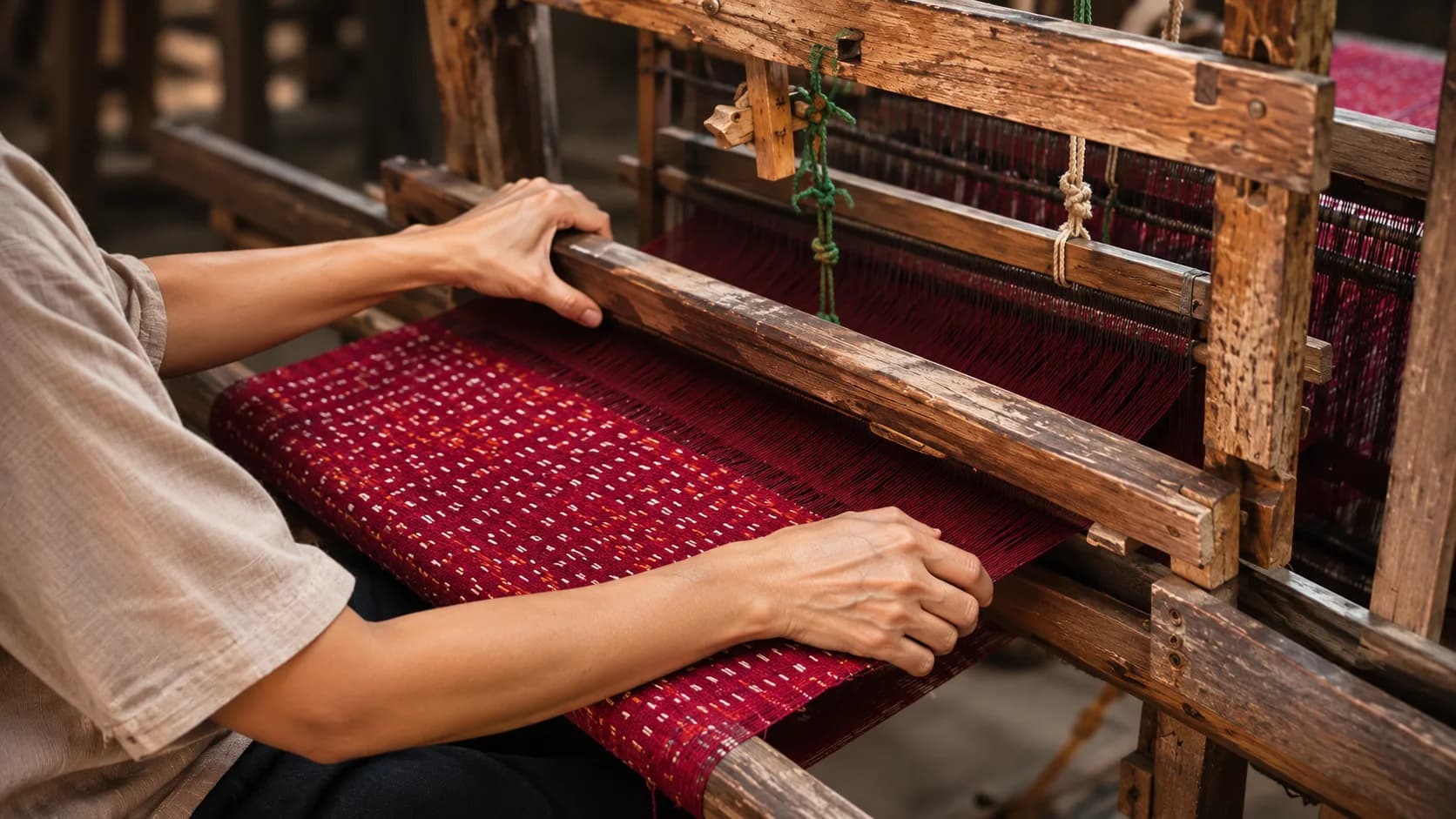
Why Do Handwoven ATBM Sarongs Cost More? A Guide for Wholesale Buyers and Retailers
Why handwoven ATBM sarongs cost more than machine-made ones: the weaver's time, the loom preparation, the artisan's skill, the yarn and the quality checks. Plus what buyers get for the price, how to get a better price per piece, and Heritage Loom's current prices.
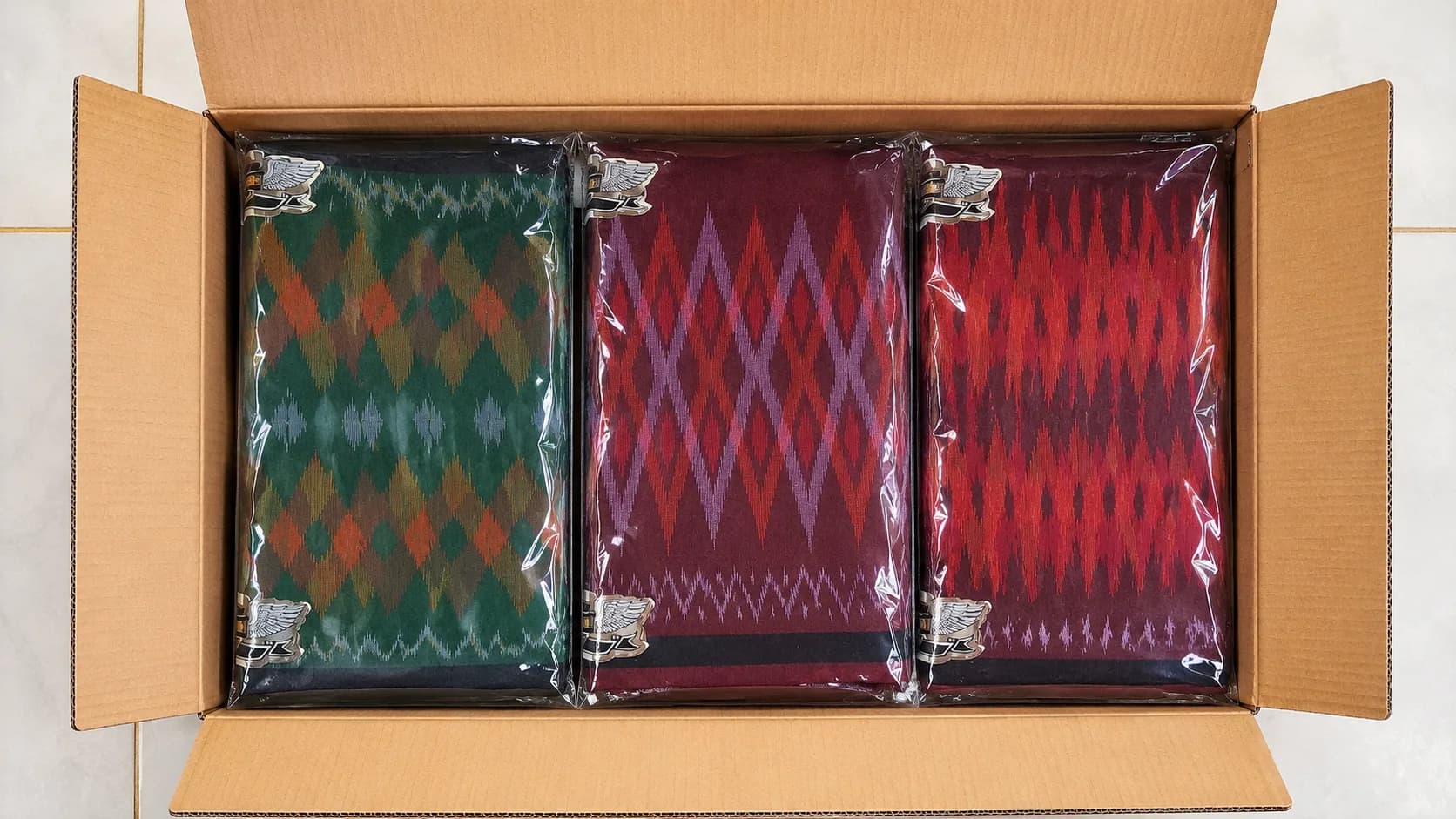
Indonesian Sarongs in the Middle East and East Africa: A Guide for Importers
A guide for importers in the Middle East and East Africa: what the sarong is called in each market, from ma'awaz and futah in Yemen to wizar in Oman and macawiis in Somalia, what buyers there look for, where handwoven Indonesian sarongs fit, how to plan around Ramadan and Eid 2027, and what to settle before ordering from Indonesia, with Heritage Loom's terms as examples.